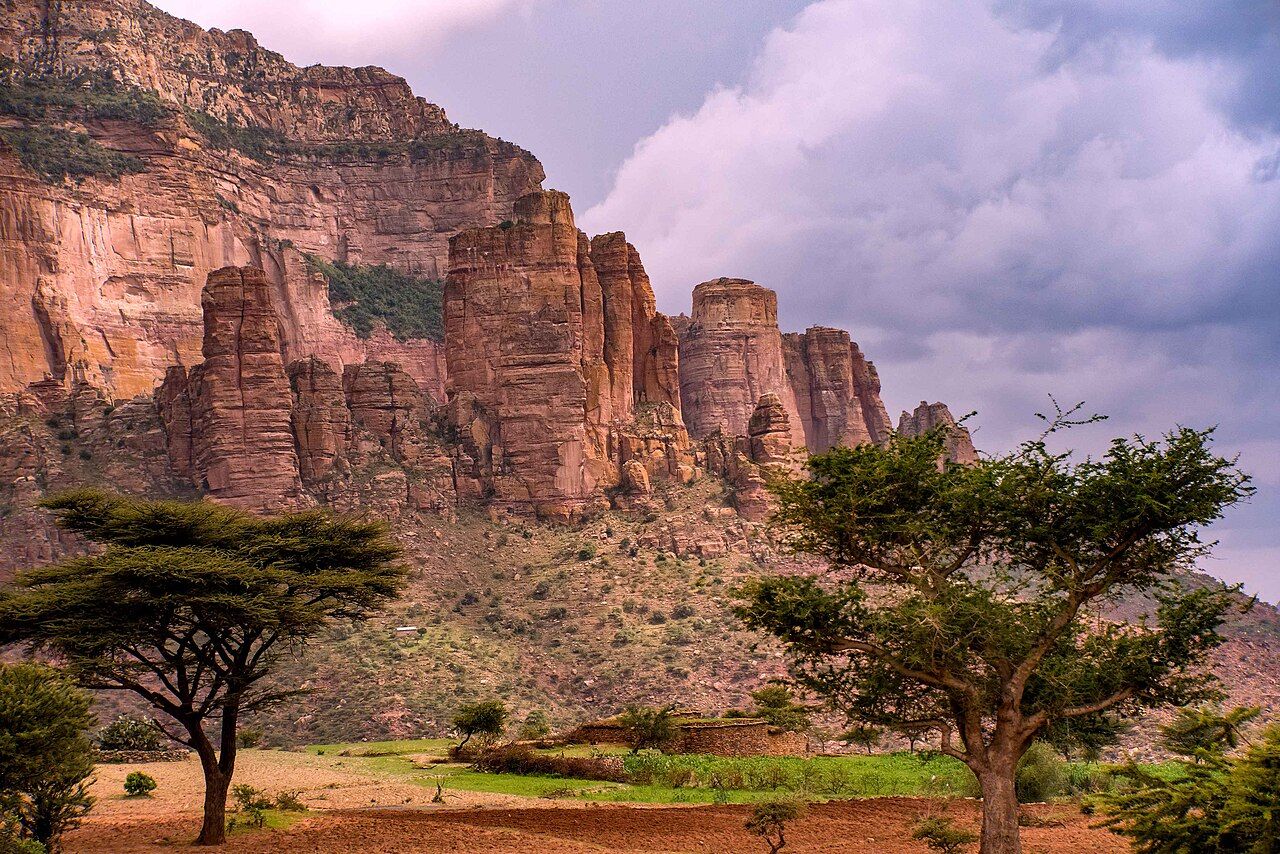
PaceAllow two or three days around Gheralta: one or two churches a day, climbed in the cool early morning, with rest in the heat of the afternoon. Other plates in this section.
Lalibela's churches go down into the ground. The churches of Tigray, in the far north of Ethiopia, go up. Scattered across the eastern part of the region are well over a hundred rock-hewn churches, many cut into the faces of cliffs or into the tops of isolated sandstone towers, some still reached only by hand-holds and narrow ledges. Their dates are debated, but several are thought to be among the oldest churches in the country, and many have paintings that have survived for centuries in the dry air.
Before anything else: the advisories
Tigray was the centre of a devastating war from late 2020 until a peace agreement in November 2022. Many people were killed, towns and villages were damaged, and the region was cut off from the rest of the country for long periods. Some churches and monasteries were reported damaged. Since then, access for visitors has opened and closed more than once, and the situation can change quickly.
Expect checkpoints, and expect that services, fuel and transport may be limited. The notes below describe the churches themselves.
The Gheralta towers
The Gheralta massif, west of the small town of Hawzen, is a landscape of red and ochre sandstone towers rising from a flat valley of fields and villages. It is one of the most striking corners of the highlands, and it holds a dense cluster of rock churches. Several of them, such as Maryam Korkor and Daniel Korkor high on the same ridge, need a long, steep walk of an hour or more, with some scrambling near the top. The reward is painted interiors and wide views over the plain.
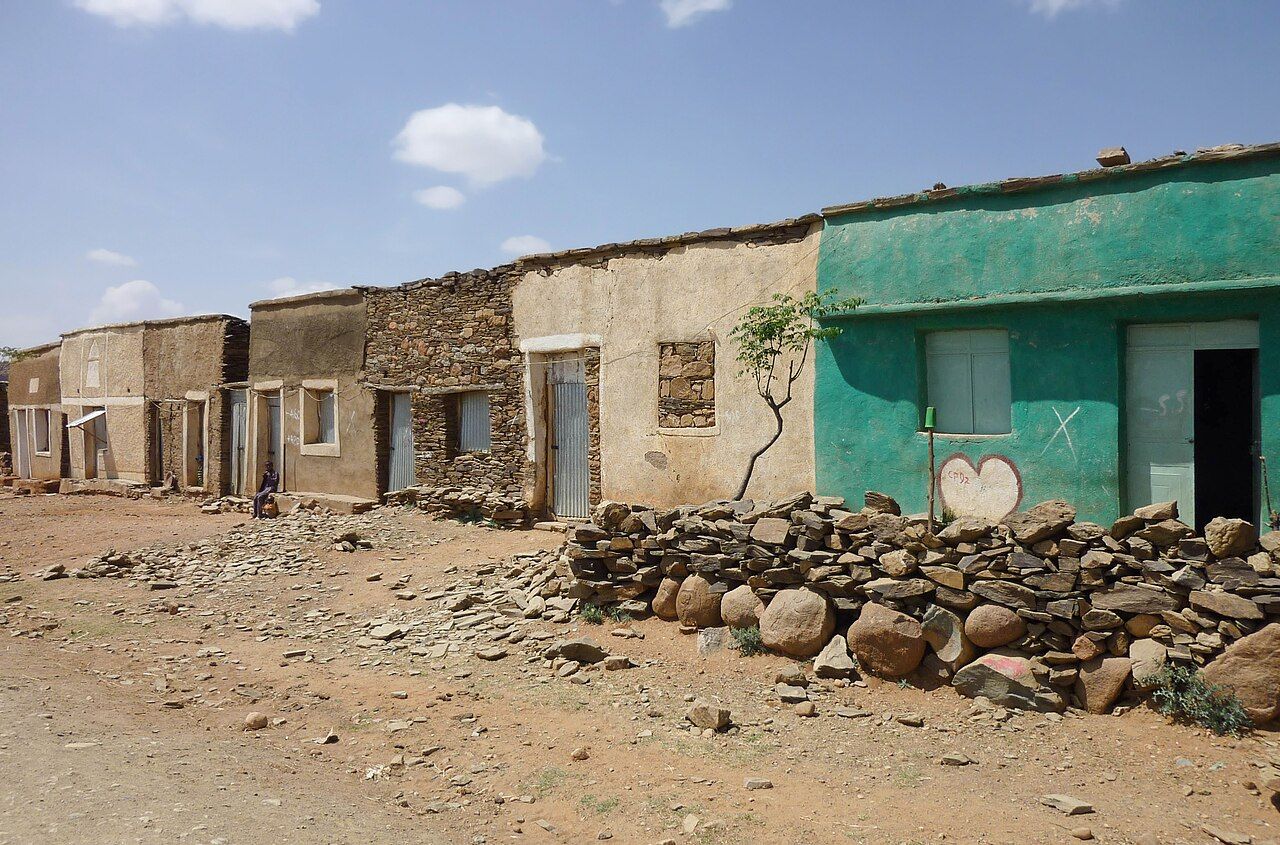
Other churches in the area are easier, cut into low outcrops near villages. A local guide and the priest who holds the key are both needed: churches are locked, the priest may live some distance away, and finding him is part of the day. A fee is usually charged at each church.
Abuna Yemata Guh
The most famous of the Gheralta churches is Abuna Yemata Guh, carved into a pinnacle high above the valley. The approach begins as a steep walk, then becomes a climb: a short vertical section with foot and hand holds in the rock, which you usually climb barefoot, followed by a narrow ledge with a sheer drop of a couple of hundred metres beside it. Local climbers help visitors and may offer a rope. A small bridge of stone and a doorway lead into the church itself.
Inside, the domed ceilings and walls are painted with saints and apostles in colours that remain fresh, protected by the dry air and the remote position. Tradition links the church to Abuna Yemata, one of the Nine Saints who came to Ethiopia in the early centuries of the Church. If you are not comfortable with exposure, do not attempt the climb; there is no shame in watching from below. Go in the cool of early morning, and leave bags and cameras you do not need with someone at the bottom.
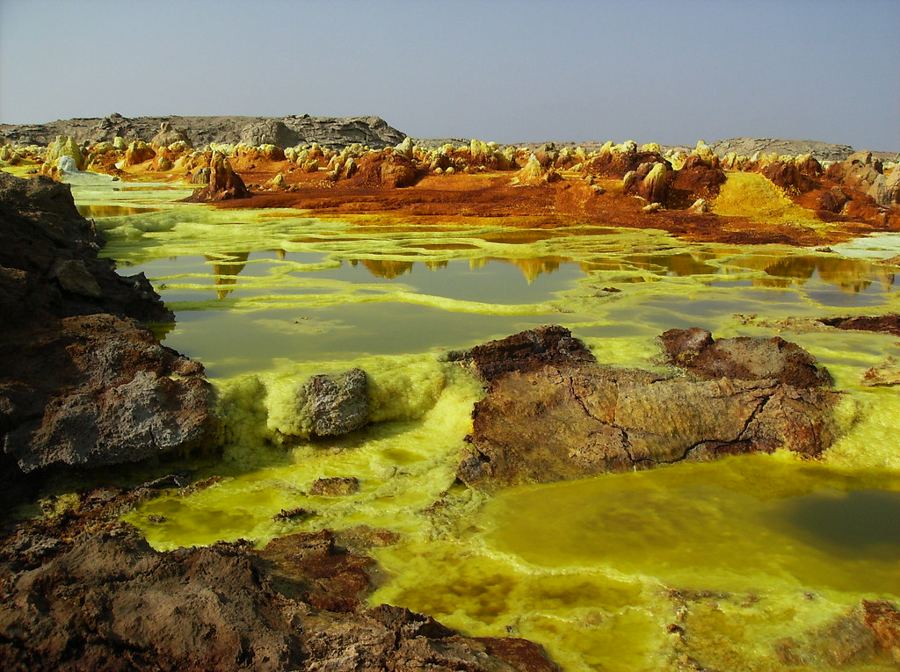 Plate 09 · DanakilThe Danakil Depression, below the sea and above the fire
Debre Damo by rope
Further north, near the border with Eritrea, the monastery of Debre Damo stands on a flat-topped mountain with sheer cliff sides. The only way up is a climb of around fifteen metres up the cliff, holding a plaited leather rope while a monk above hauls on a second rope tied round your waist. Tradition says the monastery was founded in the sixth century by Abuna Aregawi, another of the Nine Saints, who was lifted onto the summit by a serpent.
The main church on the plateau is one of the oldest standing buildings in Ethiopia, built in the old Aksumite manner of alternating wood and stone, with a carved wooden ceiling. A community of monks lives on the summit, growing food and collecting rainwater. Debre Damo admits men only; women, and female animals, are not allowed up. Ask in advance whether the monastery is receiving visitors, and expect a fee.
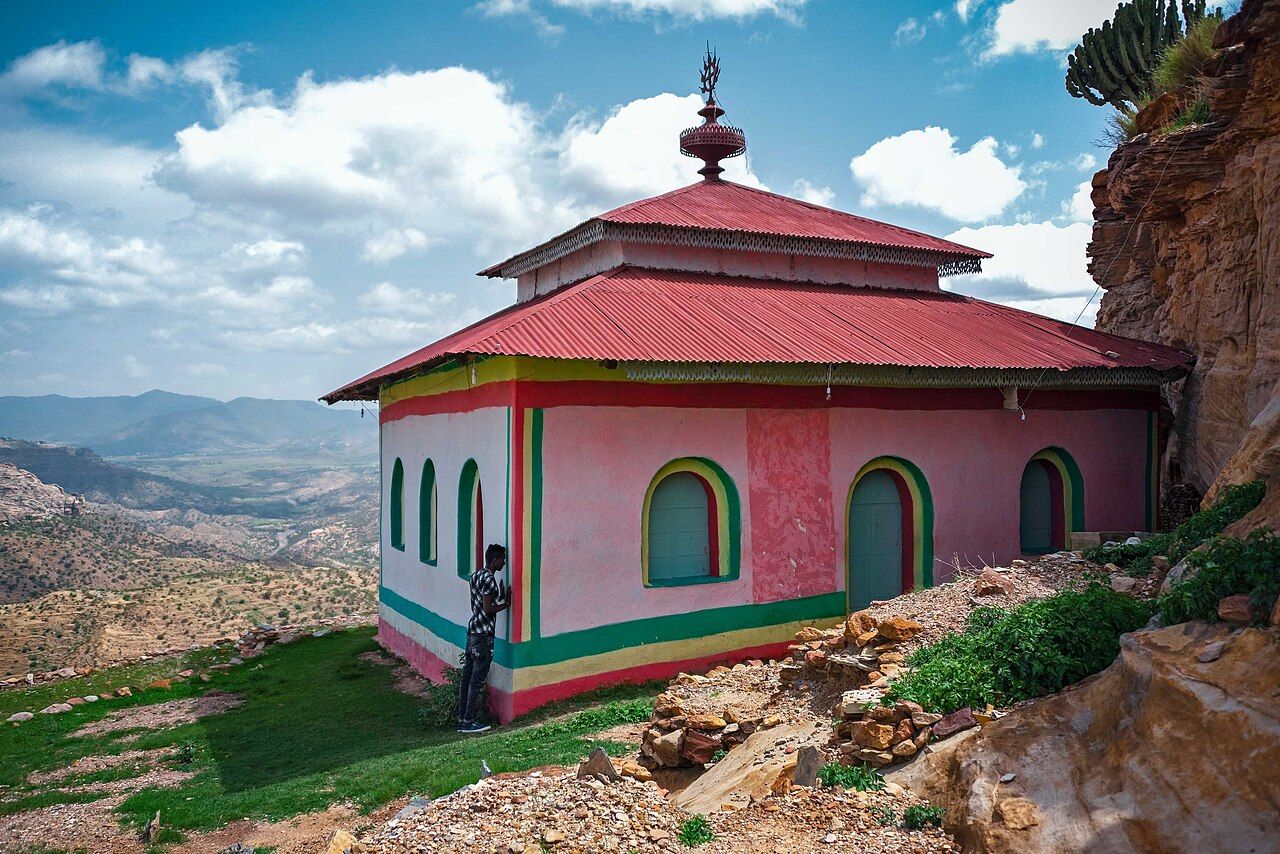
Other churches on the route
Not every church in Tigray requires a climb. Wukro Cherkos, close to the main road north of Mekele, is a rock-hewn church cut into a low outcrop at the edge of the town of Wukro and is easy to reach. Abreha we Atsbeha, a little to the west, is a large rock church with painted walls, linked by tradition to two Aksumite kings. The churches of Teka Tesfay, closer to the Gheralta area, can be visited on easy walks. These make a good start before the harder climbs, and a good choice for anyone who wants the art without the drop.
How to visit
The usual bases are Mekele, the regional capital, and Hawzen in the Gheralta area, with the road continuing north to Adigrat and west to Axum. A driver, a local guide and an early start are the norm. Wear shoes with good grip for the walks, but be ready to take them off for the climb and at every church door. Dress modestly, carry water and sun protection, and ask before you photograph priests or paintings; some do not allow flash.
These churches belong to the same tradition as the larger complexes at Lalibela, and many travellers see them on the same northern loop. If the region is open when you travel, see the circuit planning notes for how the northern route fits together.
Images on this page: Rod Waddington from Kergunyah, Australia (CC BY-SA 2.0); Bernard Gagnon (CC BY-SA 3.0); Rod Waddington (CC BY-SA 2.0); Achilli Family | Journeys (CC BY 2.0).


